
Agriculture
73% of Gadchiroli's farmers hold up to two hectares; experts see group farming as a way to raise incomes
Agricultural census figures show nearly 96% of landholders in the tribal-majority district own less than five hectares
My Maha Rashtra News Desk, Gadchiroli
Published:
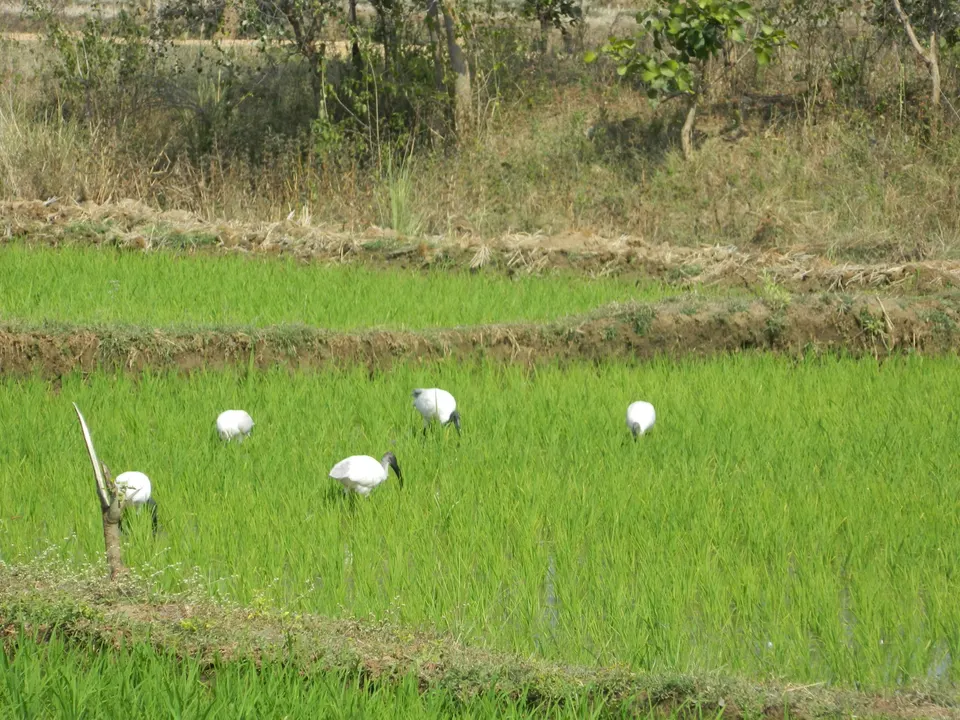
Gadchiroli: Farming in tribal-majority Gadchiroli is mostly in the hands of small and marginal farmers, agricultural census figures show, Navarashtra reported. The district's 1,51,733 landholders together own about 2,42,451.69 hectares of farmland.
Farmers with up to two hectares make up 73.02% of landholders and hold 39.59% of the district's farmland, while those with two to five hectares make up 22.80% and hold 39.89%. In other words, nearly 96% of farmers own less than five hectares. Only 3.55% hold five to 10 hectares, 0.55% hold 10 to 20 hectares and just 0.08% hold more than 20 hectares.
Because holdings are split into small pieces, it is hard for farmers to use modern machines, irrigate, diversify crops, store produce, process it or reach markets. Costs rise without a matching rise in income, so many farmers also depend on wage work or other jobs.
Agricultural experts say collective or group farming could work well in a district like Gadchiroli: if farmers pooled tilling, seeds, fertilisers, irrigation, machinery, harvesting, storage and sales, they could cut costs and raise productivity. Since 24.92% of the district's land is held jointly, that land could be used for collective farming. Subsidy schemes alone will not be enough, experts say; farmer producer companies, cooperatives, value addition, agro-processing, organic farming, agri-tourism and schemes linking farmers directly to markets need to be implemented effectively.
Source: Navarashtra
Stay with My Maha Rashtra
Related stories
- 100 check dams in six days, at zero cost: Nashik farmers unite against drought
- Get RCB canal water to Wadegaon and Bhajepar farmers, MLA Vijay Rahangdale tells irrigation officials
- Sant Gopalbuva Maharaj sugar factory at Rameshwar starts crushing; cane price set at ₹3,151 to ₹3,351 a tonne
- Main pipeline work begins on Sulwade-Jamphal scheme to bring Tapi water to 54 villages in Shindkheda
- Nanded plans 7,784 quintals of certified seed for the rabi season, chiefly gram
- Soybean harvest nears end in Medshi circle with yields of just one to two quintals an acre
https://mymaharashtra.in/en/sheti/gadchiroli-small-landholders-73-percent-group-farming-10149