
Maharashtra
Vasubaras 2026 is on Thursday, 5 November: the evening puja time for the cow and calf, Dwadashi tithi and all the days of Diwali
Published:
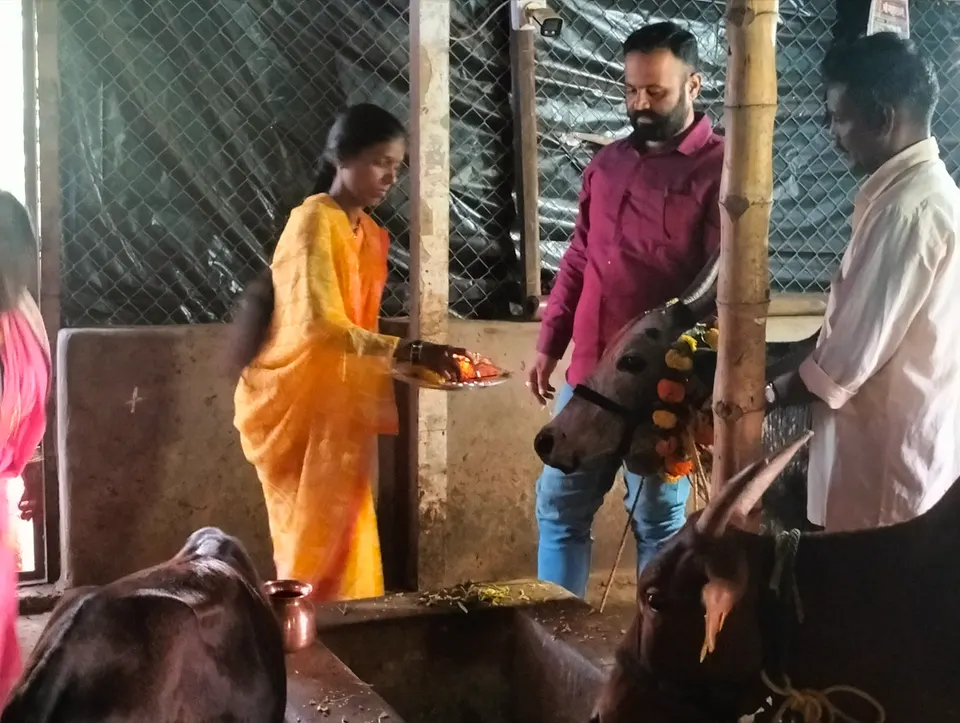
In Maharashtra, Diwali opens with Vasubaras. This year Vasubaras, also called Govatsa Dwadashi, is on Thursday, 5 November 2026. Drik Panchang’s calculation for Mumbai gives the Pradosh-time window for worshipping the cow and calf as 6.03 pm to 8.35 pm that evening. Rama Ekadashi also falls on the same Thursday.
Vasubaras 2026: date and timings (Mumbai)
- Vasubaras (Govatsa Dwadashi): Thursday, 5 November 2026
- Pradosh-time puja: 6.03 pm to 8.35 pm (2 hours 32 minutes)
- Dwadashi tithi begins: Thursday, 5 November, 10.35 am
- Dwadashi tithi ends: Friday, 6 November, 10.30 am
- Rama Ekadashi: Thursday, 5 November (Ekadashi tithi from 11.03 am on 4 November to 10.35 am on 5 November)
- Ekadashi parana (breaking the fast): Friday, 6 November, 6.41 am to 8.57 am
Ekadashi tithi ends on Thursday morning and Dwadashi begins, so this year the Ekadashi fast and Vasubaras fall on the same day. The Vasubaras puja is meant to be done in the evening, in the Pradosh period once the cows are back from the fields. In the Marathi panchang the day is Ashwin Vadya Dwadashi; in the purnimanta reckoning used in North India the same day is called Kartik Krishna Dwadashi. The timings above are for Mumbai and can shift by a few minutes elsewhere.
How Vasubaras is observed
The name is usually explained as ‘vasu’, meaning wealth, and ‘baras’, meaning the twelfth lunar day. The day is given to worshipping a cow together with her calf. By tradition the vrat is dedicated to Nanda, one of the wish-granting cows said to have emerged from the churning of the ocean. In farming households, where cattle have long been counted as the family’s wealth, the puja carries particular weight in rural Maharashtra.
- The household cow and calf are bathed, smeared with turmeric and garlanded with flowers.
- Married women of the house pour water on the cow’s feet, offer haldi-kunku, flowers and akshata, and wave a lamp before her.
- Homes that keep cattle cook a puran meal that day, and the cow is fed puranpoli served on a banana leaf.
- Families without a cow decorate and worship an idol or a picture of a cow and calf instead.
- The daily Diwali rangoli in the courtyard starts from this day.
- Women perform the puja praying for the health and happiness of their children.
Fasting and food customs
Many women fast on Vasubaras. According to Navarashtra, Marathi households do not eat wheat or moong on this day, and women break the fast with bajra bhakri and a vegetable of cluster beans (gavar). Drik Panchang says those observing the vrat avoid wheat and milk products through the day, and that milk, ghee, curd, kheer, buttermilk and food fried in oil are not taken. The rules vary from home to home, so each family follows its own custom.
The days of Diwali 2026
- Vasubaras: Thursday, 5 November
- Dhanteras (Dhanatrayodashi): Friday, 6 November
- Narak Chaturdashi and Lakshmi Pujan: Sunday, 8 November
- Bali Pratipada (Diwali Padwa): Tuesday, 10 November
- Bhaubeej: Wednesday, 11 November
The state government’s 2026 public holiday list has only two of these days: Lakshmi Pujan (Sunday, 8 November) and Bali Pratipada (Tuesday, 10 November). Vasubaras and Dhanteras are not public holidays.
Planning the puja
- Vasubaras is on a Thursday, a working day, and the puja is in the evening; getting the flowers, haldi-kunku and naivedya ready on Wednesday will save a rush.
- If you live in a city without a cow at home and plan to do the puja at a nearby goshala or cowshed, check with them first to fix a time, and ask them what the animals may be fed.
- For those keeping both the Ekadashi and the Vasubaras fast, the Ekadashi parana is on Friday between 6.41 am and 8.57 am (Mumbai).
- For exact timings in your own town, check a local panchang.
Sources: Drik Panchang (Govatsa Dwadashi, Mumbai); Drik Panchang (Rama Ekadashi, Mumbai); Drik Panchang (Diwali calendar, Mumbai); Maharashtra government public holidays 2026 (MMRDA); Navarashtra (the Vasubaras story and customs); Navarashtra (significance of Govatsa Dwadashi)
Stay with My Maha Rashtra
Related stories
- Chhath Puja 2026: Nahay-Khay on 13 November, Sandhya Arghya on Sunday 15 November; sunset and sunrise times for Mumbai, Thane, Pune and Nagpur, and special trains home
- MHADA Pune lottery: deadline to apply for 4,462 homes extended to October 30; draw on December 4
- Vidarbha's three planned expressways and Surjagad mineral road to use 6.17 crore tonnes of fly ash from Koradi, Khaperkheda and Chandrapur
- Pune railway station sets up a separate waiting area and extra RPF cover for the Diwali–Chhath rush; platform ticket sales to stop if crowds grow
- Seven accidents at metro sites in eight months: Bombay High Court asks MMRDA for a safety report, next hearing on 26 November
- ‘Har Ghar Bhagwa’: a drive to put one lakh saffron flags on homes in Nashik and Trimbakeshwar from Sunday, 25 October, ahead of the 31 October Kumbh flag-hoisting
https://mymaharashtra.in/en/maharashtra/vasubaras-2026-date-muhurat-govatsa-dwadashi-maharashtra-10394